Storm Damage Mitigation in Phoenix, AZ
Storm damage mitigation services focus on assessing and reducing the impact of severe weather events on residential properties. These services typically include reinforcing vulnerable areas such as roofs, windows, and siding, as well as installing protective barriers like storm shutters or temporary coverings. Homeowners often seek assistance after experiencing storms that cause damage or when preparing for upcoming weather threats to minimize potential harm and safeguard their property’s structural integrity.
Before requesting storm damage mitigation, property owners usually want to understand which areas of their home are most at risk and what specific measures can be taken to prevent future damage. It’s also helpful to know the scope of recommended projects, the materials used, and how the mitigation strategies can complement ongoing maintenance efforts. Clear information about the process and expected outcomes can assist homeowners in making informed decisions to protect their homes effectively.
Many property owners in Phoenix, AZ look into Storm Damage Mitigation for repairs, replacements, upgrades, and appearance-related improvements.
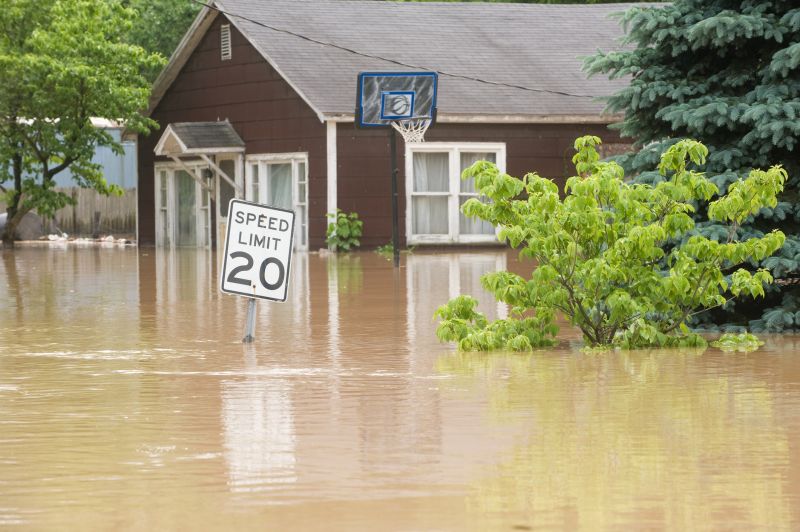
Storm Damage Prevention
Protect your property with effective mitigation strategies for storm-related damage.
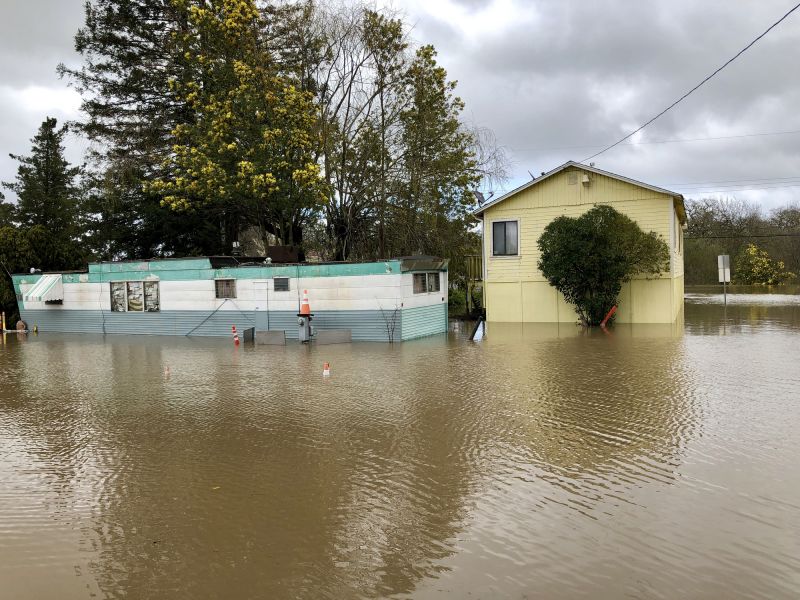
Structural Reinforcement
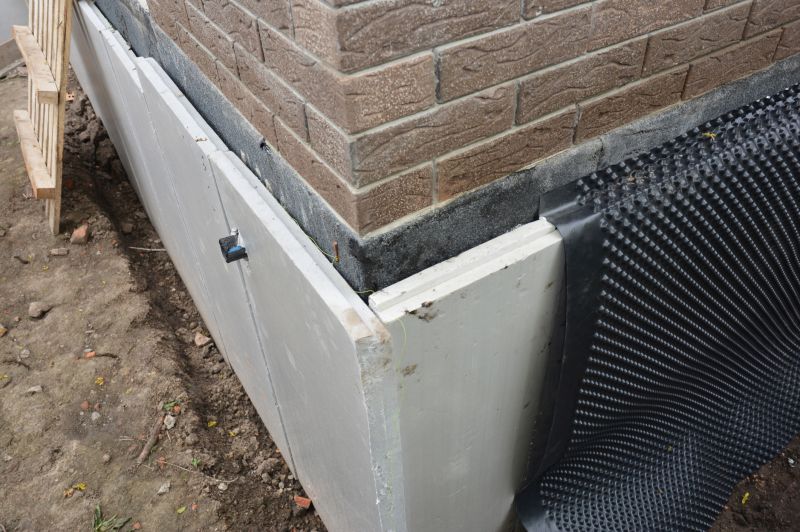
Secure roofs, walls, and foundations to withstand strong winds and heavy rain.
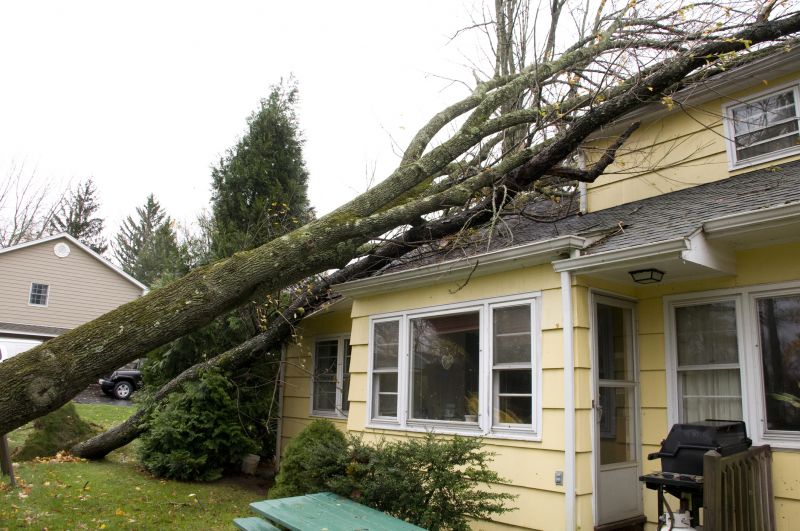
Emergency Repairs
Address storm-related issues promptly to minimize further damage and restore safety.
Storm Damage Mitigation in Phoenix, AZ
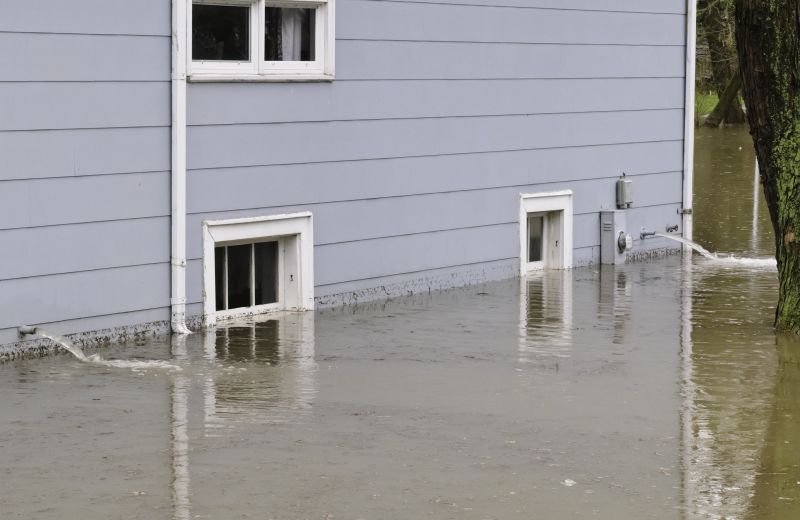
Storm damage mitigation services focus on assessing and reducing the impact of severe weather events on residential properties. These services typically include reinforcing vulnerable areas such as roofs, windows, and siding, as well as installing protective barriers like storm shutters or temporary coverings. Homeowners often seek assistance after experiencing storms that cause damage or when preparing for upcoming weather threats to minimize potential harm and safeguard their property’s structural integrity.
Before requesting storm damage mitigation, property owners usually want to understand which areas of their home are most at risk and what specific measures can be taken to prevent future damage. It’s also helpful to know the scope of recommended projects, the materials used, and how the mitigation strategies can complement ongoing maintenance efforts. Clear information about the process and expected outcomes can assist homeowners in making informed decisions to protect their homes effectively.
Many property owners in Phoenix, AZ look into Storm Damage Mitigation for repairs, replacements, upgrades, and appearance-related improvements.
Common Storm Damage Mitigation Jobs
Roof Reinforcement - strengthening roofing systems to withstand heavy storm winds and hail.
Gutter Protection - installing or repairing gutters to prevent water damage and foundation issues.
Debris Removal - clearing fallen branches and storm debris from roofs and yards.
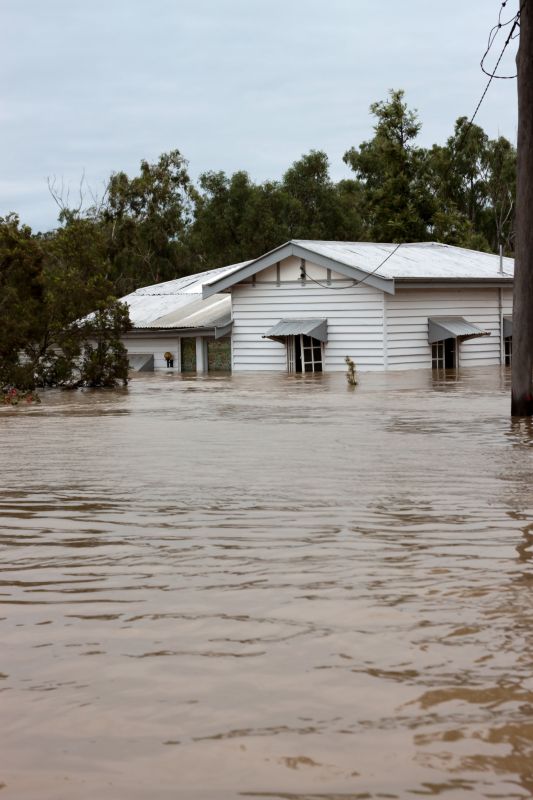
Flood Barriers - setting up barriers to protect basements and lower levels from flooding.
Soffit and Fascia Repairs - restoring damaged eaves to prevent water intrusion and structural decay.
Tree Damage Prevention - trimming and maintaining trees to reduce risk of storm-related damage.
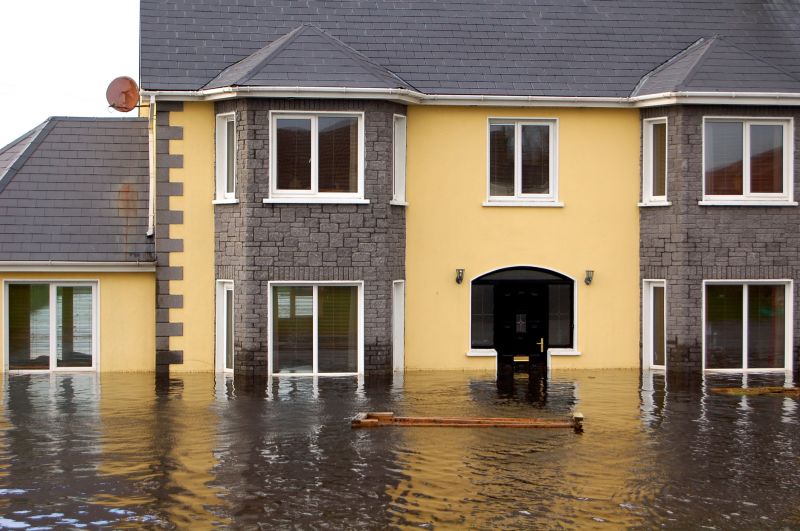

Storm Damage Mitigation Questions
What is storm damage mitigation? It involves steps to reduce the impact of storms on a property, such as reinforcing structures and clearing debris to prevent further damage.
What types of storm damage are addressed? Services typically focus on wind damage, hail impact, roof leaks, and fallen debris that can threaten property integrity.
Why is storm damage mitigation important? It helps protect property value, prevents costly repairs, and minimizes safety hazards caused by storm-related issues.
What projects are common in storm damage mitigation? Common projects include securing loose roofing, installing storm shutters, trimming trees, and reinforcing vulnerable areas.
Request Storm Damage Mitigation in Phoenix, AZ
Use the quote form on this page to share the basics of your project and request more information for the type of work you need.